
Thoughtful Education for Whole-Body Wellness
Lifestyle Health, Intimacy Health, Products & Services, Expert Guidance to support you.
INTIMACY HEALTH SERIES
Let's Talk Pelvic Floor Health 101
Let's Talk Pelvic Floor Health 101

PART OF THE INTIMACY HEALTH SERIES
Pelvic health impacts sexual wellness, bladder and bowel function, core stability, and daily comfort, yet most people have no idea how these muscles actually work. When symptoms like sexual pain, low arousal, difficulty with penetration, urinary urgency, or trouble reaching orgasm show up the pelvic floor is often involved.
Two Primary Patterns of Pelvic Floor Dysfunction:
Hypertonicity (overactive/tight)
Hypotonicity (underactive/weak)
…And understanding the difference MATTERS, because the support for each one is completely different.
This breakdown gives you evidence-based insight into both patterns, how they affect sexual wellness, what symptoms to look for, and how pelvic floor therapy can help.
What is the Pelvic Floor?
The pelvic floor is a group of muscles at the bottom of your pelvis that create a supportive hammock for the bladder, uterus/prostate, and rectum. These muscles control urination, bowel movements, penetration, and orgasm.
Just like any other muscle group, they can become too tight, too weak, imbalanced, or uncoordinated.
Pelvic floor disorders affect 1 in 3 women at some point in their lives (ACOG; Cleveland Clinic).
Pelvic Floor Hypertonicity (Too Tight)
Hypertonicity occurs when the pelvic floor is overactive, contracted, or unable to relax. It’s extremely comon and often mistaken for weakness.
Strengthening a tight pelvic floor can make symptoms WORSE?
COMMON CAUSES
- Chronic stress or anxiety
- Sexual trauma or PTSD
- Over-exercising or constant core “bracing”
- Childbirth trauma/scar tissue
- Endometriosis
- Interstitial cystitis
- Vaginismus
- Hormonal changes (perimenopause, low estrogen)
- Common Symptoms
- Painful sex (dyspareunia)
- Burning, sharp, or pressure sensations
- Difficulty with penetration or tampon insertion
- Pelvic or low back pain
- Urinary urgency
- Difficulty achieving orgasm
- A sense of “tightness” or guarding
- Vaginismus
- Hormonal changes (perimenopause, low estrogen)
- Common Symptoms
- Painful sex (dyspareunia)
- Burning, sharp, or pressure sensations
- Difficulty with penetration or tampon insertion
- Pelvic or low back pain
- Urinary urgency
- Difficulty achieving orgasm
- A sense of “tightness” or guarding
How It Affects Sex
Tight muscles = less blood flow + less relaxation → penetration may feel like “hitting a wall,” and orgasms may feel tense or impossible.
What Helps:
- Pelvic floor physical therapy (gold standard)
- Deep breathing & relaxation techniques
- Warm baths, heating pads, gentle vibration
- Dilators (slow and gentle)
- Trauma-informed care
- Avoid Kegels until evaluated!!
Pelvic Floor Hypotonicity (Too Weak)
Hypotonicity occurs when muscles lack tone, strength, or coordination.
Common Causes
- Pregnancy and vaginal childbirth
- Age or menopause
- Chronic constipation
- High BMI
- Hormonal changes
- Nerve damage
- Surgeries (including hysterectomy)
Common Symptoms:
- Urinary leakage with coughing/sneezing
- Pelvic heaviness or “falling out” sensation
- Reduced sensation during penetration
- Difficulty reaching orgasm
- Gas or stool leakage
- Poor bladder control
How It Affects Sex
Weak muscles can reduce friction, sensitivity, and arousal buildup leading to “muted” orgasms.
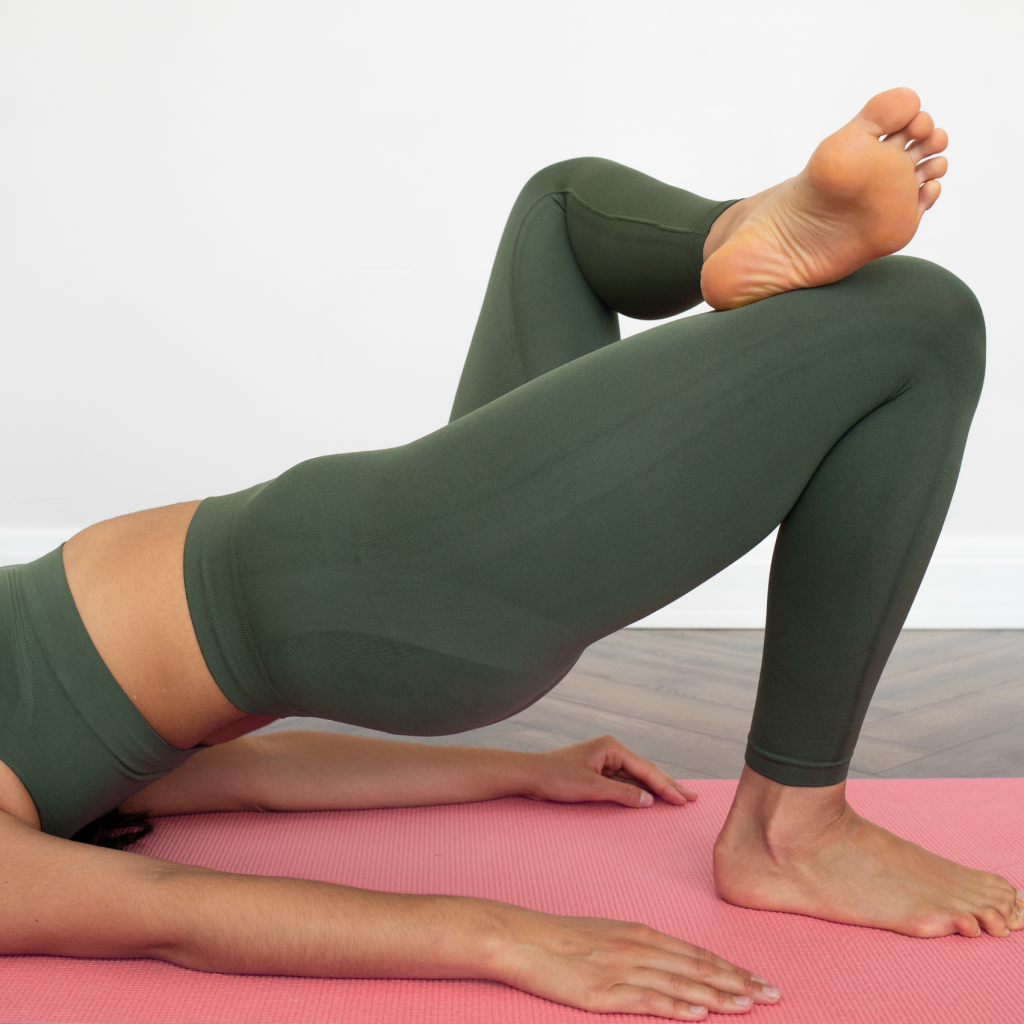
What Helps:
- Pelvic floor PT
- Targeted strength + coordination exercises
- Core/hip strengthening
- Vaginal weights/resistance devices
- Blood-flow–enhancing sexual activity
- Topical estrogen (if prescribed)
How to Tell Which One You Have?
Some symptoms can overlap, and many people experience both pelvic floor tightness and weakness—making self-diagnosis difficult. If you experience pain during penetration (which is never considered normal), postpartum symptoms lasting longer than 3–6 months, urinary or bowel leakage, chronic pelvic pain, pain following surgery or childbirth, or trauma that affects sexual comfort, it is recommended to see a pelvic floor physiotherapist. Pelvic health specialists can assess muscle tone, function, and coordination both internally and externally something no online checklist can accurately replace.
Sexual Wellness Support While You Heal...
Professional Care + Support Tools = Optimal Comfort & Pleasure.
Some symptoms can overlap, and many people experience both pelvic floor tightness and weakness making self-diagnosis difficult. If you experience pain during penetration (which is never considered normal), postpartum symptoms lasting longer than 3–6 months, urinary or bowel leakage, chronic pelvic pain, pain following surgery or childbirth, or trauma that affects sexual comfort, it is recommended to see a pelvic floor physiotherapist. Pelvic health specialists can assess muscle tone, function, and coordination both internally and externally something no online checklist can accurately replace.
HYPERTONICITY (TIGHT PELVIC FLOOR)
- Hydrating, long-lasting lubricants
- Soft wands and gentle massagers
- Dilator-safe lubrication
- Warm-up toys that promote blood flow without intensity
HYPOTONICITY(WEAK PELVIC FLOOR)
- Blood-flow–boosting pleasure devices
- Vibrators that help with muscle coordination
- Hydrating or hormone-friendly lubricants
- Internal stimulation tools